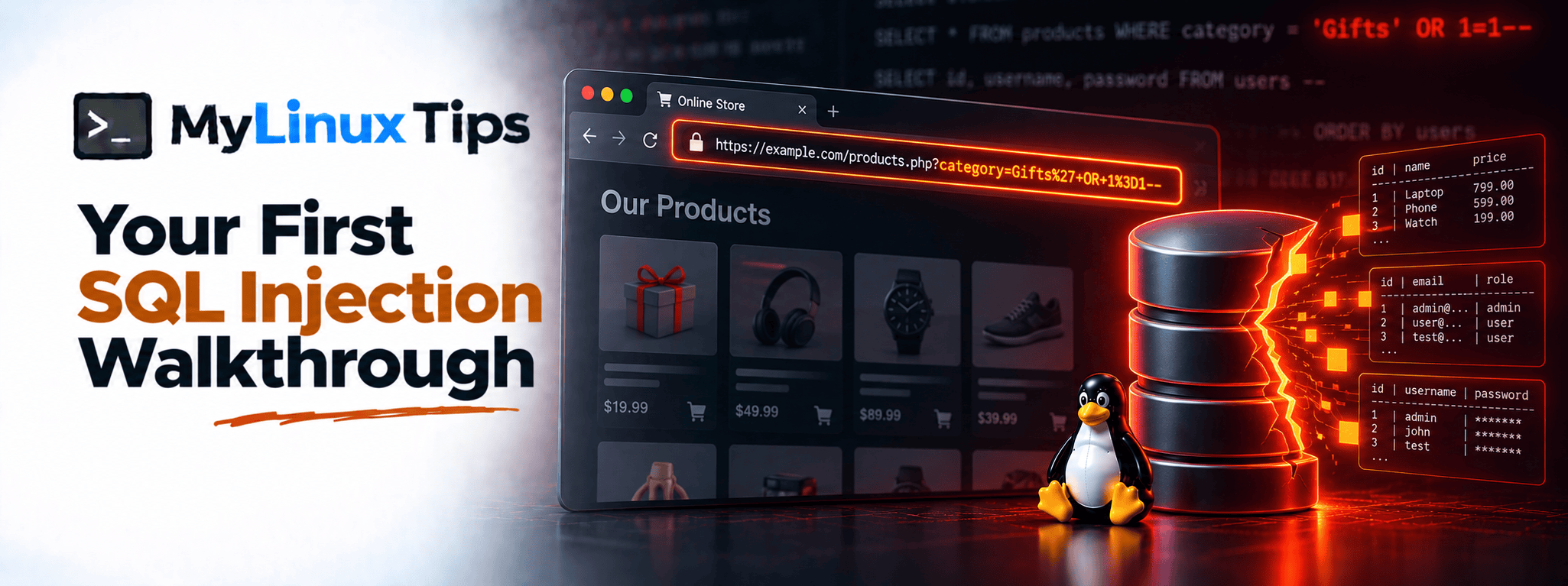
Ever wanted to actually trigger a SQL injection yourself instead of just reading about one? Your first sql injection walkthrough doesn’t need a real target, a VPN, or any legal gray area at all. PortSwigger’s free Web Security Academy was built exactly for this. This post walks through the actual lab, step by step, plus the fix a real developer would ship afterward.
CVE and CVSS Explained: How Vulnerabilities Actually Get Scored

Ever seen a vulnerability referenced by something like CVE-2024-12345 and had no idea what any of those numbers actually meant? Cve and cvss explained simply comes down to two separate systems working together: one that names a vulnerability, and one that scores how serious it is. This post untangles both, with real examples instead of definitions.
DOM-Based XSS Explained: Where Client-Side Bugs Really Hide
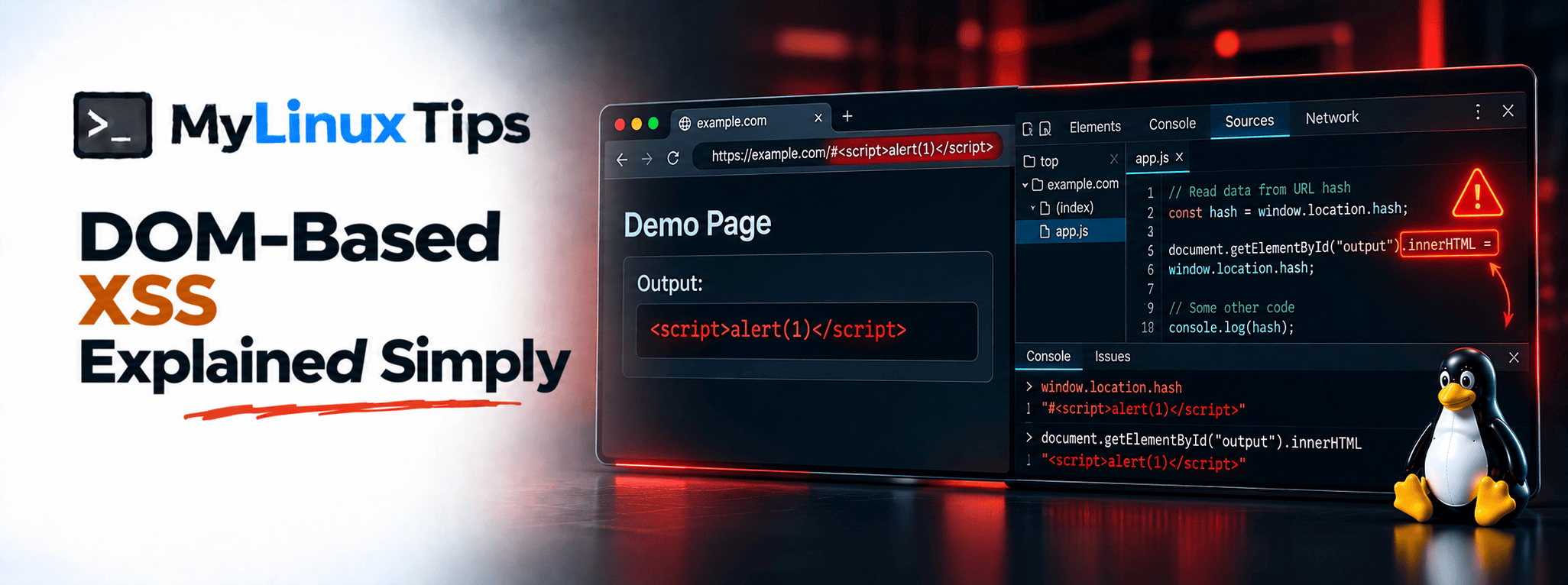
Ever found a cross-site scripting bug that never once touched the server? Dom-based xss explained simply comes down to one idea: the vulnerability lives entirely in the browser’s own JavaScript, which means it can slip past server-side defenses completely. This post shows exactly where that gap opens up, and how to spot it.
Parsing Logs with Bash: grep, awk, and sed for Security Work

Ever stared at a log file with tens of thousands of lines and had absolutely no idea where to even start looking? Parsing logs with bash turns that overwhelming wall of text into something searchable in seconds, using three small tools that are already installed on practically every Linux system. This post builds the exact workflow, one real example at a time.
Python Port Scanner: Build Your Second Recon Tool From Scratch

Ever wanted to know exactly which ports a machine has open, without reaching for someone else’s prebuilt scanner? A python port scanner is a genuinely achievable second project once you’ve written your first recon script, and building your own teaches you more about what scanners actually do than running one ever will. This post builds it from scratch, line by line.
Content Discovery with ffuf: Finding What a Website Is Hiding
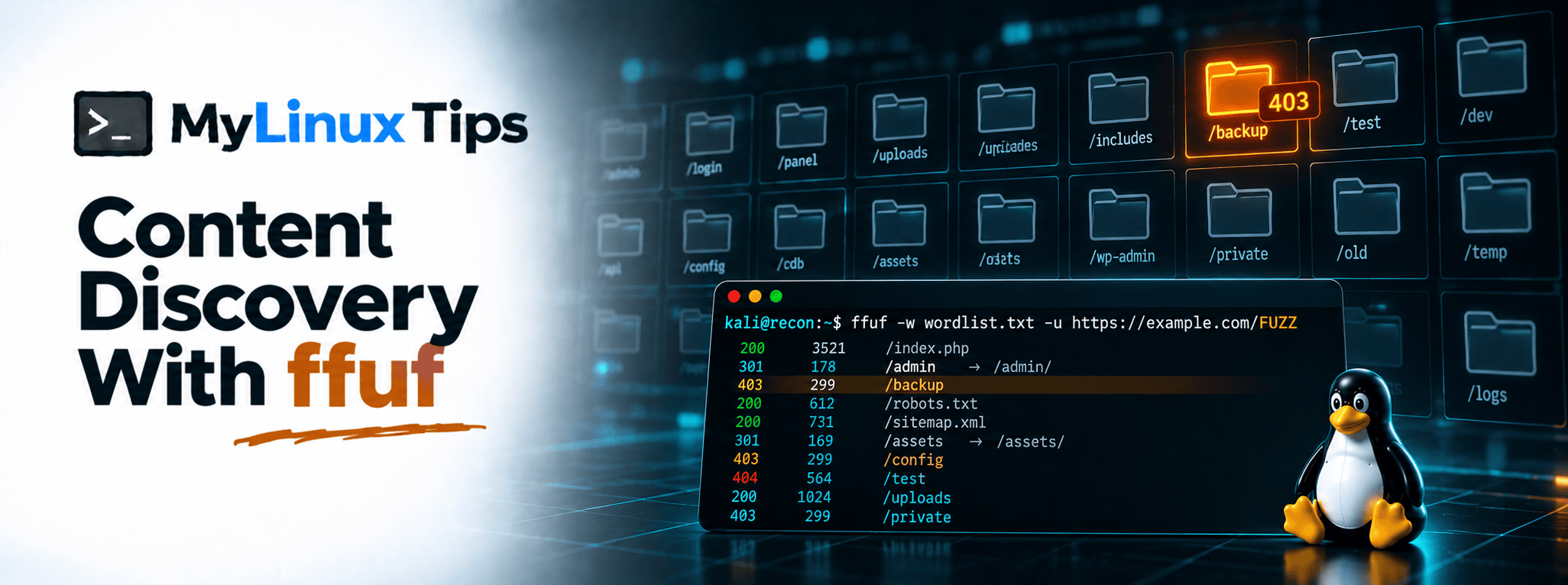
Ever looked at a website and wondered what’s sitting on it that isn’t linked from anywhere you can click? Content discovery with ffuf answers exactly that question. Hidden admin panels, old backup files, forgotten API routes, all the pages a site serves without ever pointing to them. This post walks through your first real scan.
Subdomain Enumeration for Beginners: Building Your First Recon Pipeline

Ever wondered how experienced bug hunters seem to find dozens of forgotten subdomains a target didn’t even know were still online? Subdomain enumeration for beginners sounds like it needs expensive tools or years of practice, but the honest version fits in a single terminal session with free software. This post builds that first pipeline from scratch.
Linux Networking Basics Every Bug Hunter Should Know
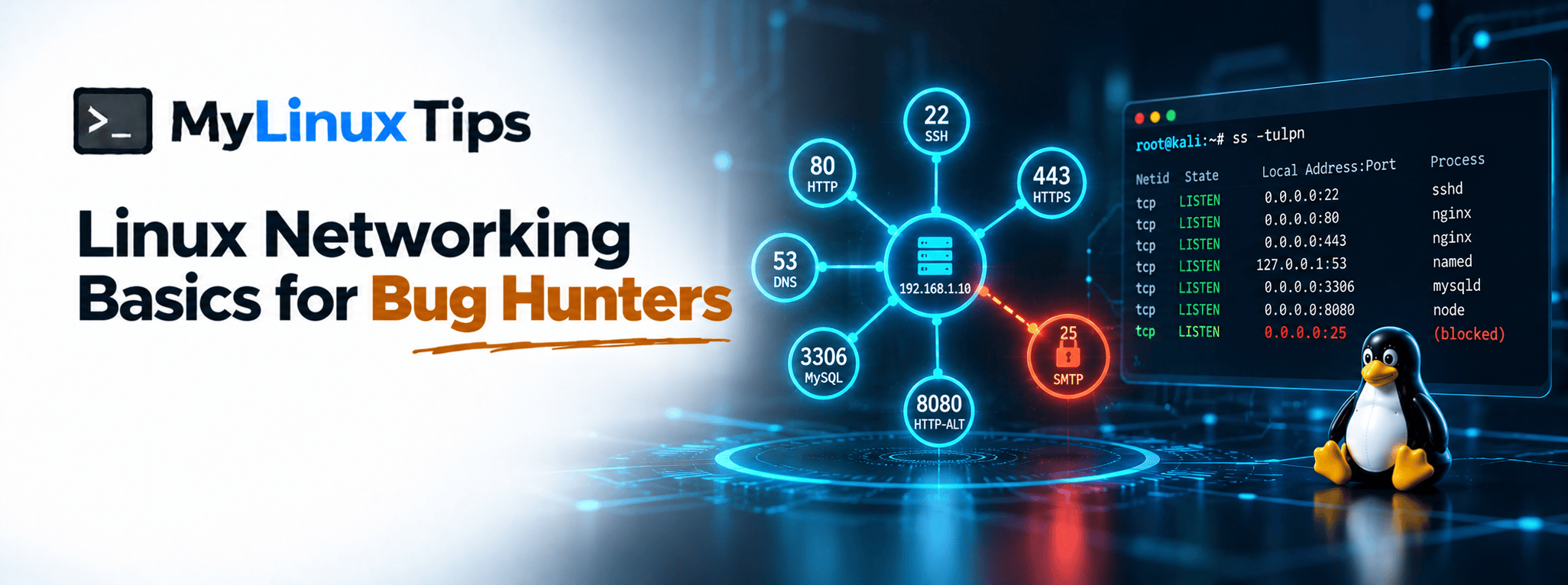
Ever run a scan against your own machine and had no idea whether the ports it found were actually supposed to be open? Linux networking basics are the missing piece between knowing commands and actually understanding what your machine is doing on a network. They matter whether you’re hardening your own box or reading someone else’s scan results. This post covers exactly enough to make both of those make sense.
How the Internet Works: TCP/IP, DNS, and HTTPS for Hackers
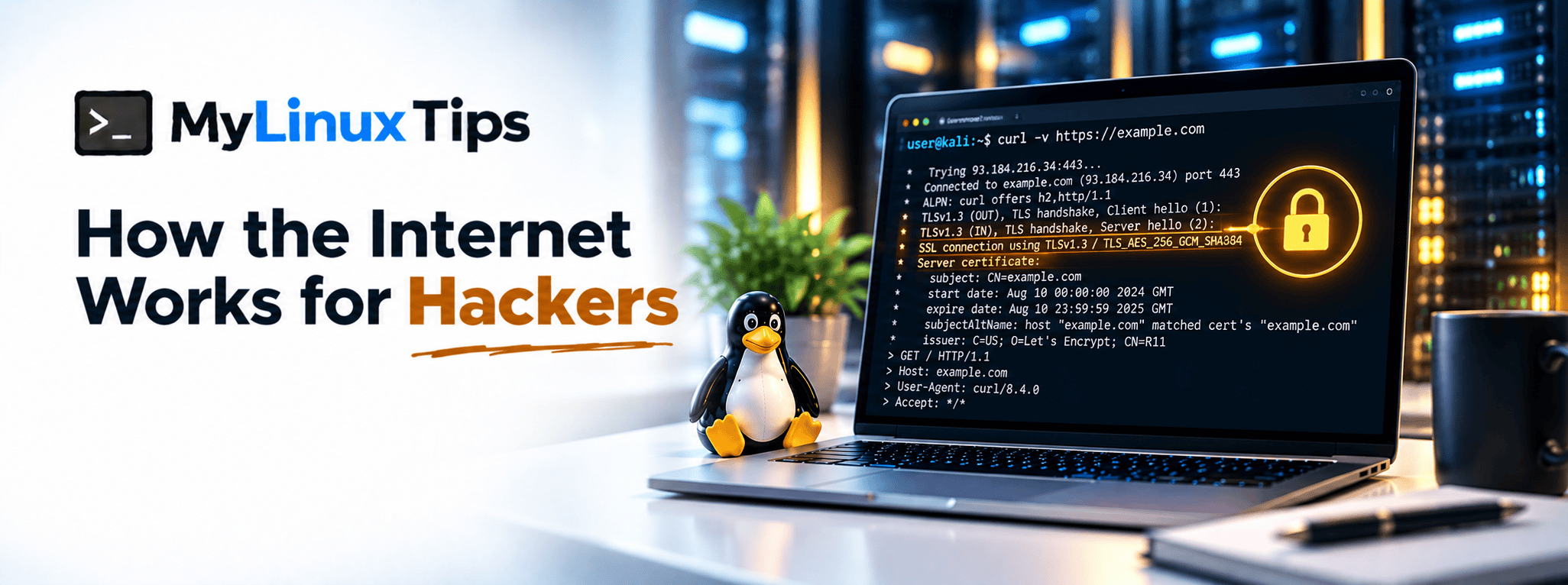
Ever typed a web address into your browser and wondered what actually happens in the half-second before the page loads? How the internet works is one of those things almost everyone uses daily and almost nobody can explain. For a bug hunter, that gap matters, because every vulnerability you’ll ever find lives somewhere inside that half-second. This post walks through it, piece by piece.
Reading PHP Code Like a Bug Hunter: Spotting SQLi, LFI, and Unserialize Bugs
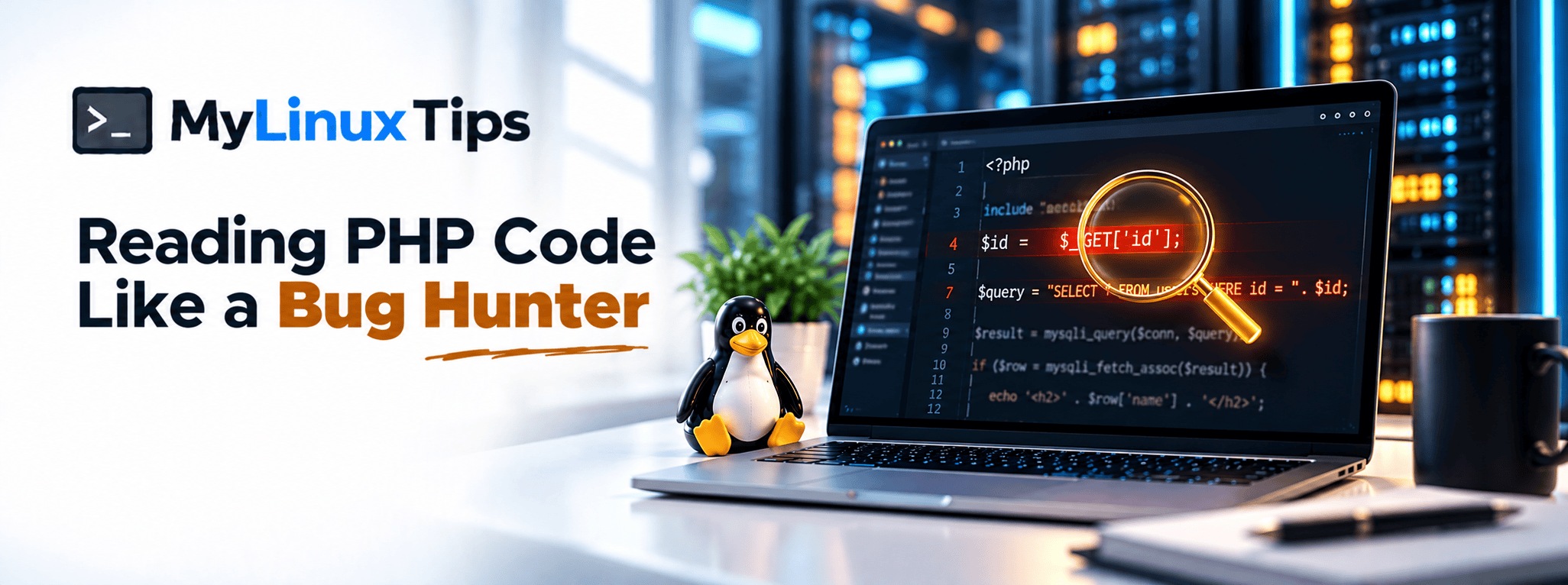
Ever opened a PHP file during an authorized test and felt your eyes slide right off it? Reading php code like a bug hunter doesn’t mean understanding every line the way the developer who wrote it does. It means knowing exactly which two or three patterns to scan for first, recognizing them the instant they show up, and knowing how often real bug bounty programs actually pay out for exactly these bugs. This post hands you that shortlist, plus ten real, publicly disclosed reports that prove it.